
Best food for Parkinson's


Eating well can support brain health, ease common Parkinson’s symptoms, and even help your medications work better.

Nuts like walnuts, pistachios, macadamias, cashews, almonds, and Brazil nuts provide omega‑3s, minerals, and healthy fats that may support memory, mood, and neuron communication

Herbs and spices such as turmeric (for its curcumin) and Ceylon cinnamon may offer antioxidant and potential neuroprotective benefits when used regularly in cooking
Power of purple and red
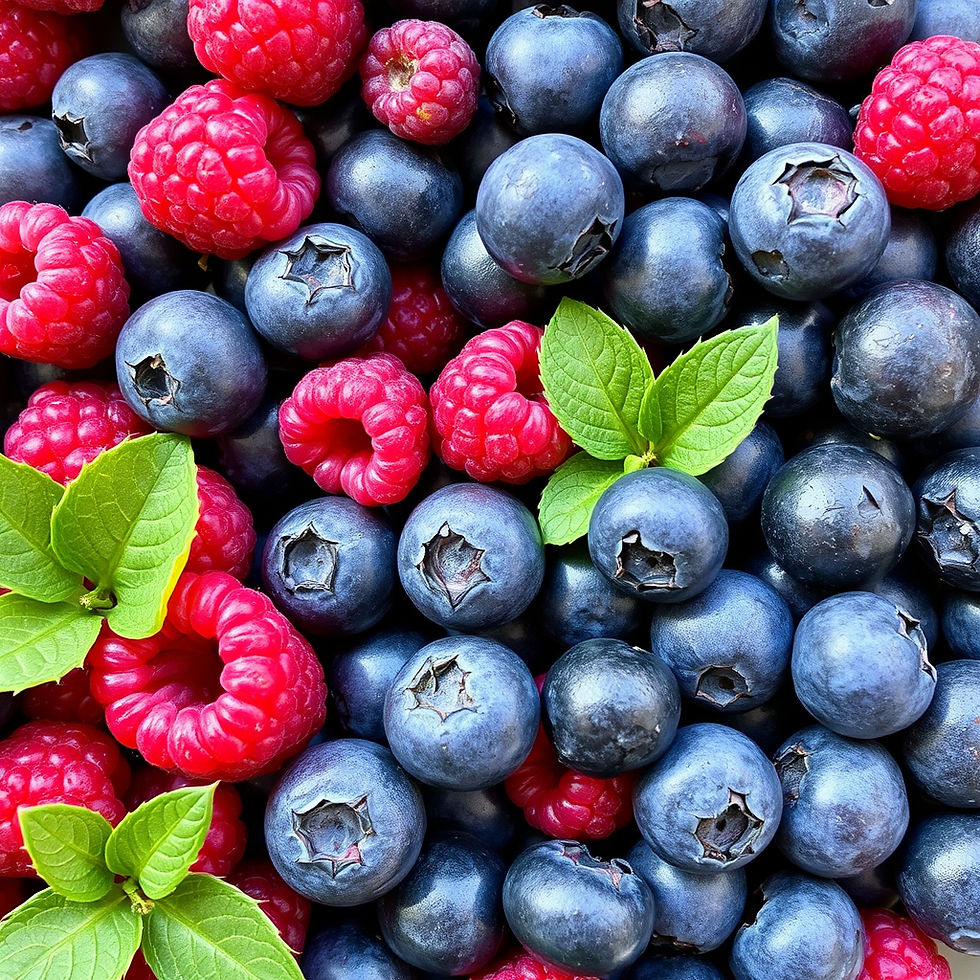
Deeply colored fruits such as blueberries, raspberries, and other purple or red berries are rich in anthocyanins, powerful antioxidants that help protect cells from damage
Eating to ease PD symptoms

Constipation
increase fluids and fiber with foods like kiwi, apples, prunes, dates, figs, radishes, berries, nuts, and beans.

Unintentional weight loss or low appetite
healthy fats (nuts, coconut, avocado) and appetite‑boosting bitter or spicy foods, alongside regular exercise.

Steady Energy
combine protein and healthy fat (nuts, avocado) or whole‑grain complex carbohydrates like brown rice and quinoa.
Many people do better taking levodopa 30–60 minutes before meals or 1–2 hours after, and planning protein intake with guidance from their neurologist or a dietitian.
DailyWell
Real health support beyond treatment. We’ve partnered with Dailywell to give you personalized bloodwork testing, doctor consultations, and nutrition plans that keep your progress moving forward. Get started below.

Mediterranean Diet
Research increasingly supports the Mediterranean diet as a beneficial nutritional approach for people with Parkinson’s disease. Multiple observational studies have found that higher adherence to the Mediterranean diet is associated with a lower risk of developing Parkinson’s and a slower progression of symptoms. Emerging evidence also suggests that this diet may delay the age of onset and support better motor and cognitive function over time. Researchers believe these benefits are due to the diet’s high levels of antioxidants, anti-inflammatory properties, and positive effects on gut health and the microbiome, all of which play a role in neuroprotection. While more large-scale clinical trials are still needed, the current body of evidence consistently points to the Mediterranean diet as a supportive strategy in managing and potentially modifying the course of Parkinson’s disease
Research highlighted by the American Parkinson Disease Association suggests that dietary patterns like the Mediterranean diet and the MIND diet may be associated with a significantly later onset of Parkinson’s disease, by as much as 17 years in some cases. Both diets emphasize whole, nutrient-dense foods such as vegetables, fruits, whole grains, legumes, nuts, fish, and olive oil, while limiting processed foods and unhealthy fats. The MIND diet places extra focus on brain-supportive foods like leafy greens and berries.
Researchers believe these eating patterns may help protect brain health by reducing inflammation and supporting cardiovascular function, which in turn benefits the brain. While the findings are promising, they are based on observational data and cannot prove direct cause and effect. Still, adopting these diets is considered a low-risk, health-promoting strategy that may not only support overall wellness but also potentially delay the onset of Parkinson’s symptoms.

At Vitality Physical Therapy, we encourage people with Parkinson’s to pair targeted exercise with a thoughtful, brain‑healthy eating plan and to coordinate diet changes with their medical team for the safest, most effective results.
The information in this blog is for general educational purposes only and is not a substitute for professional medical advice, diagnosis, or treatment. We cannot tell you what you personally should or should not eat, and we are not providing individualized nutrition or medication advice. Always talk with your neurologist, primary care provider, or a registered dietitian before making changes to your diet, supplements, or Parkinson’s medications. Never ignore or delay seeking medical advice because of something you read here


Comments