
Red light therapy and Parkinson's: a holistic approach to managing your diagnosis

Red light therapy (RLT), also known as photobiomodulation, shows promise as a non-invasive treatment to support brain health and symptom management in Parkinson’s Disease (PD). Low-level red and near-infrared light penetrates tissues to stimulate the mitochondria (powerhouse of your cells), reduce inflammation, and promote neuroprotection, which can benefit the dopamine-deficient brain affected by PD.


Why does mitochondria function matter?
Dopamine neurons have high energy demands (provided by the mitochondria) because they’re constantly firing to control movement.
They rely heavily on mitochondria to produce the energy needed for normal function.
Think of mitochondria as the batteries in your cells. In Parkinson’s, some batteries run low or leak, so your neurons don’t have enough energy to move your body smoothly
In Parkinson’s, dopamine neurons in the substantia nigra are particularly vulnerable to losing function of their mitochondria → mitochondria dysfunction occurs
This makes neurons weaker and more prone to dysfunction, contributing to motor and non-motor symptoms

What Red Light Therapy Involves
Red light therapy uses specific wavelengths delivered via LED panels, helmets, or handheld devices for 10-20 minutes per session. For PD, transcranial application targets the brain directly, while whole-body or targeted use addresses muscle stiffness and pain.
Unlike UV light, RLT is safe, painless, and non-thermal, with sessions easily done at home or in clinic settings as an adjunct to standard care.
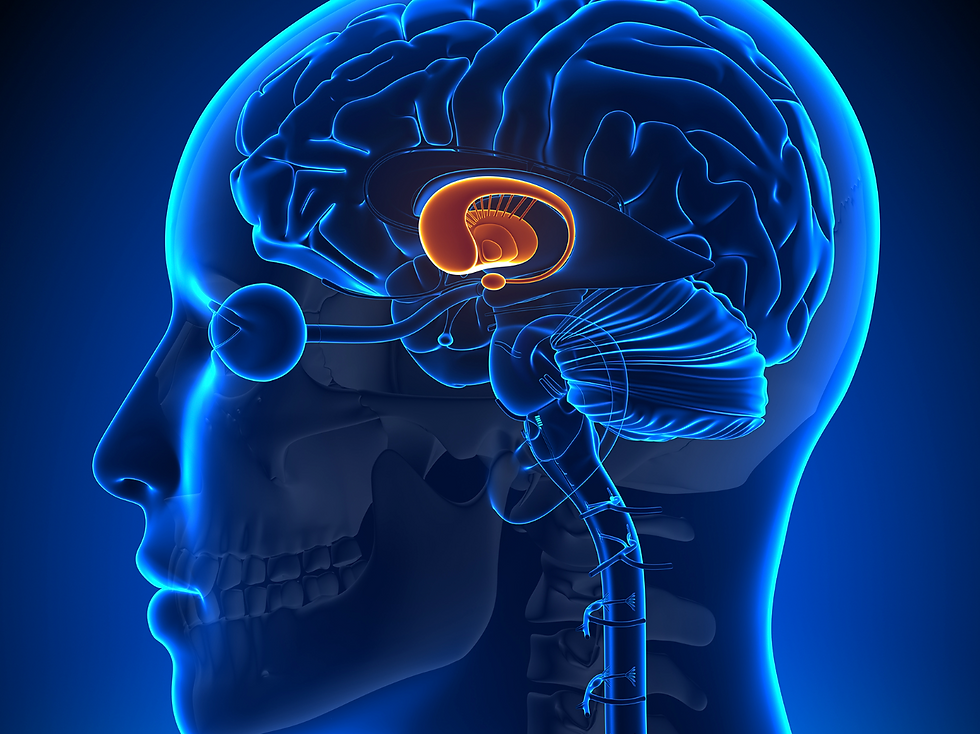
Why Parkinson’s Needs Neuroprotective Support
Parkinson’s Disease progressively damages dopamine-producing neurons in the substantia nigra (part of the brain that is affected by PD, leading to motor symptoms like tremor, rigidity, bradykinesia, and postural instability, plus non-motor issues like fatigue and cognitive decline. The brain’s impaired mitochondrial function and chronic neuroinflammation accelerate this damage, making therapies that target cellular energy and repair particularly valuable.

Practical Application for Freezing of Gait and Daily Management
Red light therapy may help freezing of gait in Parkinson’s by supporting healthier brain and nerve function and improving movement quality, but evidence is still early and it should be used as a complement to therapy, not a stand‑alone cure. Low‑level red and near‑infrared light can stimulate cellular energy production in neurons and other tissues, which may enhance motor control and reduce bradykinesia that contributes to freezing episodes. Some small studies and case reports of photobiomodulation in Parkinson’s have described improvements in gait parameters and reductions in freezing, suggesting that better mitochondrial function, blood flow, and reduced inflammation in motor circuits could translate into smoother walking.
*For freezing of gait, RLT’s motor enhancements can improve stride initiation when combined with rhythmic cues or PT. Patients often use home devices 3-5 times weekly, targeting the forehead/skull for brain benefits and limbs for mobility. *
*Disclaimer: please consult with your doctor first for proper dosage*
Key Benefits for Parkinson’s Symptoms
Motor function
Enhances dopamine and mitochondrial activity and reduces rigidity, potentially improving gait speed and UPDRS (PD outcome measure done by your Physical Therapist) motor scores by 20-35% in small studies.
Tremor and bradykinesia
May calm excessive neural firing while speeding voluntary movements via better neuronal energy.
Sleep and non-motor symptoms
Regulates circadian rhythms and reduces fatigue, depression, and constipation common in PD.
Neuroprotection
Slows neuron loss and promotes brain-derived neurotrophic factor (BDNF), possibly delaying progression.


Comments